Brands · what fails · what the codes mean
Six brands, read by a shop that sells none of them.
Kitchens and laundry rooms from Hawks Prairie to Tumwater lean on Samsung, LG, Whirlpool, GE, Frigidaire and Bosch.
- ONE FEE
- buys the meter visit · then sits inside the repair total
- 18 PAGES
- six brands plus twelve brand-and-machine pairings
- NO DEALER
- ties; if the maker still covers the machine we tell you first
- EPA 608 Universal: every tech certified
- Whirlpool-family and LG authorized service
- Sealed systems repaired in your kitchen
- Appliance repair license, Washington
- Seven days, eight to seven
A Samsung and a Whirlpool fail in different ways.
Take a refrigerator that quit cooling. That one complaint hides four or five separate repairs, and the badge shifts the odds. Older Frigidaire side-by-sides usually blame a defrost thermostat or a start relay. Whirlpool bottom freezers often need a control board after a windstorm. A technician who knows each maker’s habits brings the right part and opens the right panel first. These pages write those habits down for this stretch of the South Sound: recurring faults, plus the codes and lights worth photographing ahead of your call and the fix we make for each.
None of this is a price list. A price waits for the meter reading, and once you approve a repair the diagnosis fee becomes one slice of that total. We also sell for nobody and run no showroom, though we are LG and Whirlpool authorized service. When your machine still has the maker’s own coverage, you will hear so before any money moves.
The machines
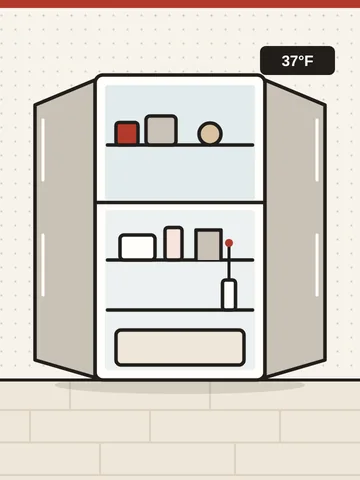
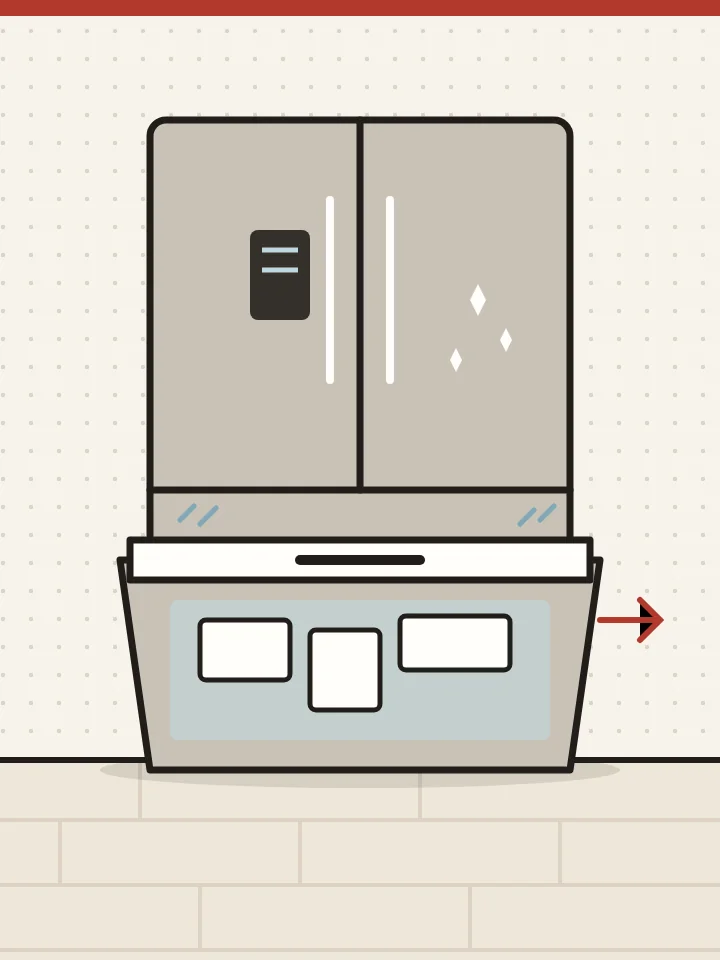
Refrigerator & Freezer repair
Milk turning early · frost furring the freezer walls · one click, then quiet · a puddle under the crisper drawers
Meter first, then a number on paper →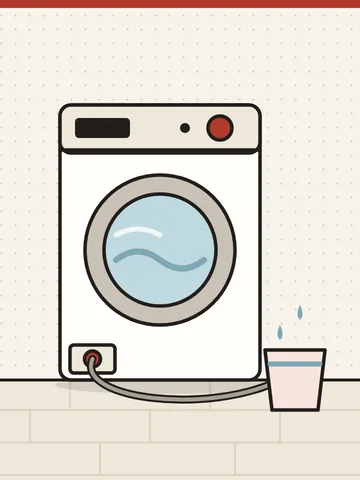
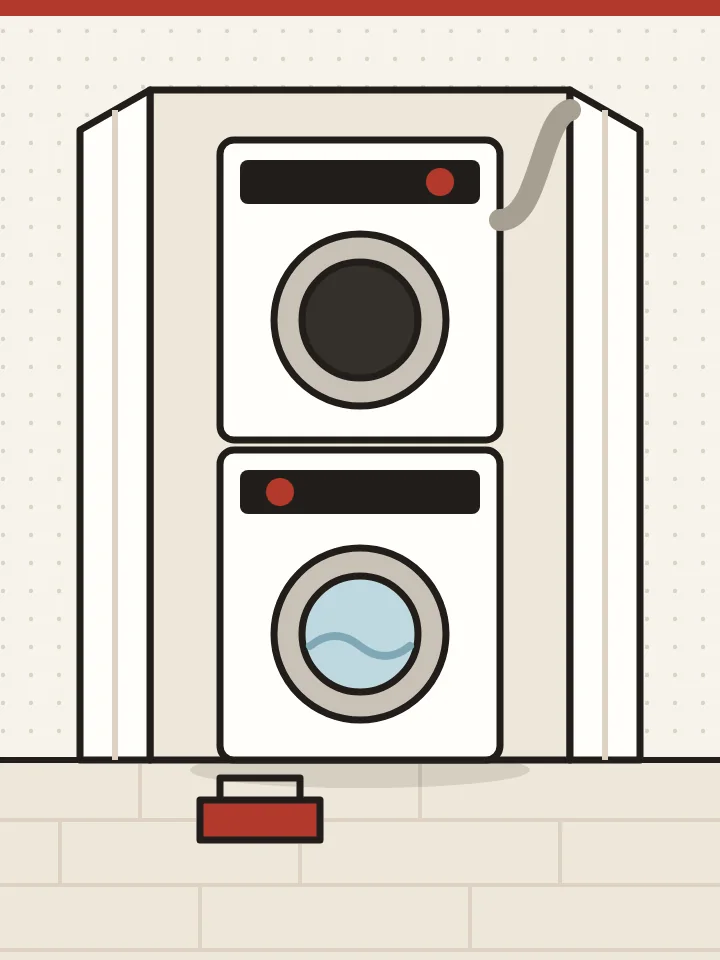
Washer repair
Water left sitting in the drum · no spin cycle at all · a wet floor at the door seal · a lid stuck shut
Meter first, then a number on paper →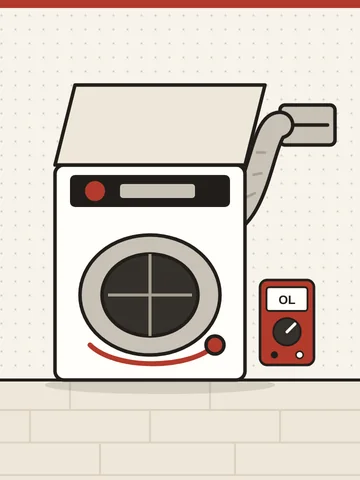
Dryer repair
Tumbling without heat · towels still damp after a full hour · a thump from the drum · a scorched smell
Meter first, then a number on paper →
Dishwasher repair
A pool in the tub · glasses gone cloudy · plates coming out gritty · a display that stays blank
Meter first, then a number on paper →
Oven & Range repair
Burner clicking without lighting · oven topping out below the dial setting · igniter glowing, no flame · a fault code flashing on the display
Meter first, then a number on paper →
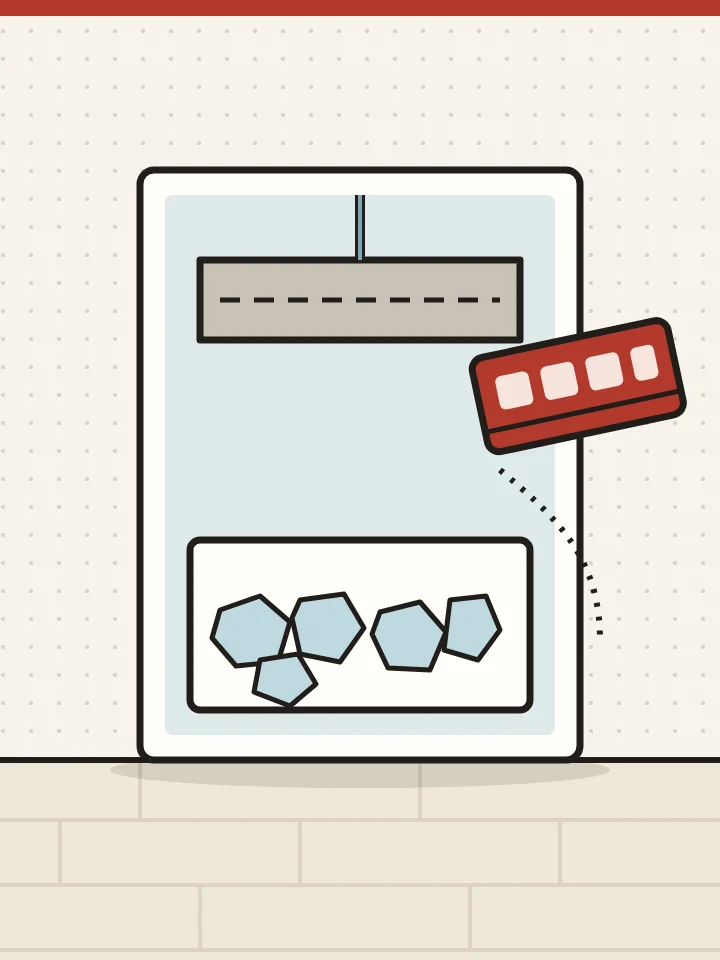
Ice Maker repair
An empty bin · small hollow cubes · a scaled fill valve · ice with an off taste
Meter first, then a number on paper →
Start with the badge on the door
The brand shortens the search; the meter ends it
Samsung repair
Washer page · Dryer, range and dishwasher notes
What breaks on this brand here →
LG repair
Refrigerator & Freezer page · Dryer page
What breaks on this brand here →Whirlpool repair
Washer page · Dryer page
What breaks on this brand here →GE repair
Oven & Range page · Dishwasher page
What breaks on this brand here →
Frigidaire repair
Refrigerator & Freezer page · Oven & Range page
What breaks on this brand here →Bosch repair
Dishwasher page · Washer page
What breaks on this brand here →How a visit runs
From the first phone call to the last test cycle
- You reach out
Dispatch picks a two-hour slot with you, most often today or tomorrow, and calls again once the van rolls away from the shop on Marvin Rd.
- Measure first
An amp clamp, thermometer or ohmmeter goes on the machine before anyone says what is wrong. Then the dead part gets named in words anyone can follow.
- The number, written
Repair cost goes on the ticket as one total with the visit fee already baked in. Say yes or say no; nobody bills by the hour while you think.
- Repair on the spot
Pumps, valves, heaters, igniters, rollers and boards for the usual models travel in the bins behind the driver, which closes most jobs on that first stop. A part on order means a second trip at no added charge.
- Test and paperwork
You watch a full cycle run, the floor and panels are left as we found them, and an emailed invoice carries the written warranty term.
Know the badge, the symptom or the code? That is all it takes to book.
One call sets a two-hour window. The technician arrives with a meter, the fix is priced on the ticket with the visit fee already tucked into it, and the invoice spells out the warranty. Yelm and Ruddell Rd get identical terms.